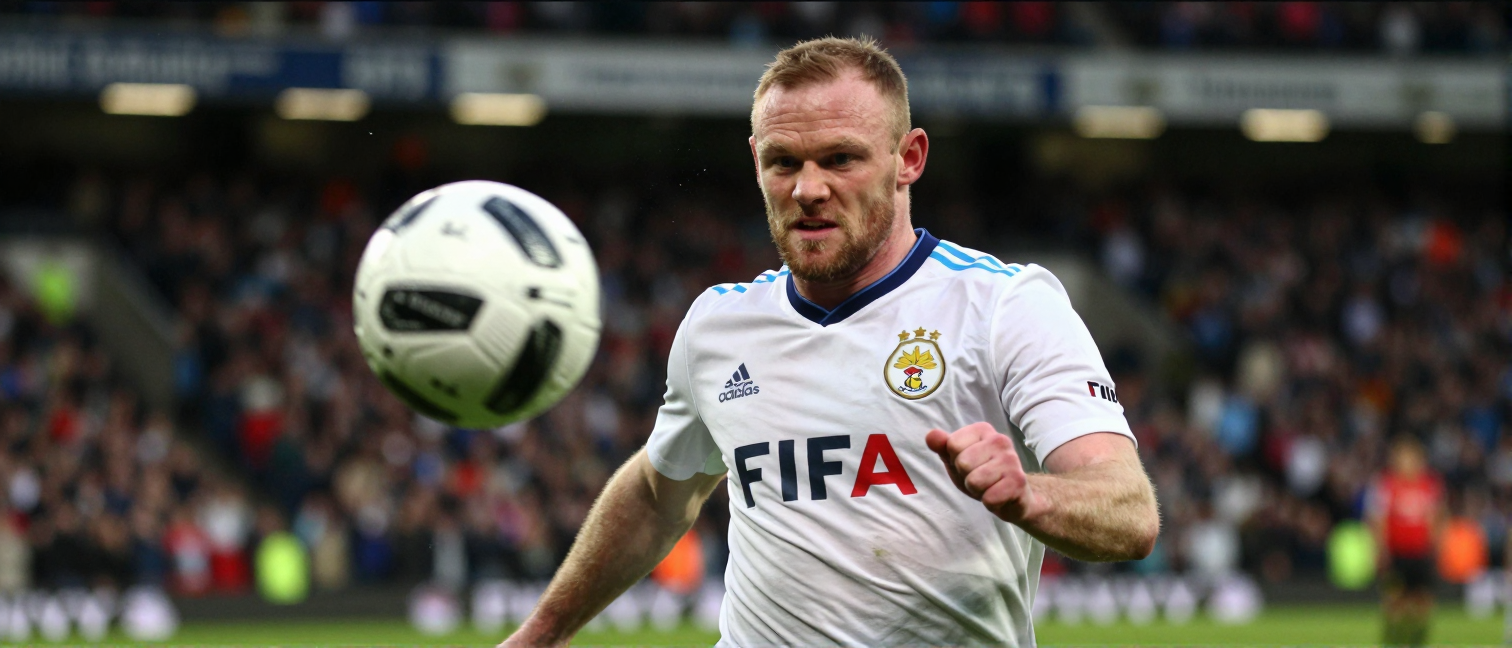
Wayne Rooney erupted on 4 July 2026, accusing FIFA President Gianni Infantino of disgraceful conduct after the governing body lifted Folarin Balogun’s suspension. The former England captain demanded the federation own up to what he called a “shameful” reversal that undermines discipline in the sport.
What sparked Rooney’s outburst?
The controversy began when FIFA’s disciplinary committee announced on 2 July 2026 that Balogun’s three‑match ban for a violent conduct incident would be rescinded. Rooney, now a senior pundit for Sky Sports, took to social media that same evening, labeling the move “a slap in the face for every player who respects the rules.” He argued the decision set a dangerous precedent, especially as the Premier League’s Manchester United, Balogun’s club, prepares for a crucial Champions League tie.
Why does Rooney care?
Rooney’s connection to the issue runs deeper than a simple opinion. As a former England captain who served a two‑match ban for a head‑butt in 2012, he knows the personal toll such sanctions can take. In a televised interview on 3 July 2026, he recalled the “isolating weeks” he endured, insisting that consistency in punishment protects younger talent. “When you see a star get a free pass, it sends the wrong message to the academy boys dreaming of the first‑team,” he said.
How has FIFA responded?
Infantino’s office released a brief statement on 3 July 2026, claiming the appeal process revealed “new evidence” that warranted a review. The federation did not disclose the nature of the evidence, prompting criticism from several former players. Rooney’s tweet, which quickly amassed over 120,000 retweets, forced Infantino to address the backlash in a press conference on 5 July 2026, where he promised “greater transparency” but stopped short of reversing the decision.
What could happen next?
The fallout may reach beyond Balogun’s personal situation. The English FA announced on 4 July 2026 that it will monitor FIFA’s disciplinary reforms closely, hinting at possible collaboration with UEFA to tighten appeal standards. Meanwhile, Manchester United’s manager Erik ten Hag will decide whether to field Balogun in the upcoming league match against Liverpool on 7 July 2026, a decision likely to be influenced by the lingering controversy.
And fans? They’re divided. Some praise Rooney for speaking out, seeing him as a guardian of the game’s integrity. Others argue the former striker should focus on his pundit role rather than policing FIFA. Regardless, the episode has reignited debate over how football’s global body handles misconduct, a conversation that will probably dominate the sport’s headlines for weeks.
What does this mean for Rooney’s legacy?
Rooney’s willingness to challenge the sport’s highest authority adds a new chapter to his post‑playing career. It shows he’s not content to sit on the sidelines while governance issues swirl. Whether his criticism will spur concrete change remains to be seen, but the former Manchester United star has certainly reminded the football world that his voice still carries weight.